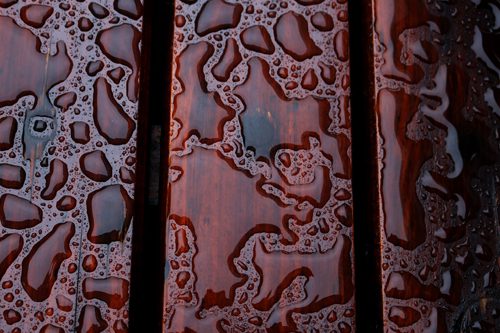
Waterproofing your wood deck is one of the smartest moves you can make for your outdoor living space. It helps guard against weather damage, could lengthen your deck's lifespan, and helps your deck look great. The best part? Waterproofing a deck is totally DIY-friendly.
Why Waterproofing Matters
A well-maintained wooden deck can last 20 years or more, depending on the type of wood. But proper maintenance—including regular sealing—is vital. When wood goes unsealed, it soaks up water like a sponge. That leads to swelling, cracking, and eventually rot. Damp wood also creates a welcome mat for mold and mildew, not just an eyesore but a potential health hazard.
By learning how to waterproof a wood deck the right way, you’ll cut down on future repair costs and keep your outdoor space feeling fresh and inviting.
Types of Deck Sealers and Their Benefits
Choosing a sealer can feel like picking a paint color—so many options, so little time. Here’s a quick cheat sheet to make it easier:
- Clear Sealers: Love the natural look of your wood? A clear sealer lets the grain shine through while adding water resistance. Just keep in mind you’ll need to reapply every year or two.
- Toners: Want a little color but not a full makeover? Toners add a subtle tint plus UV protection to help slow down that “gray and weathered” look.
- Semi-Transparent Stains: The best of both worlds. They add richer color and stronger UV defense while still showing some grain. They’re a popular DIY choice because they last up to three years.
- Solid Stains: Think of these like paint for your deck—maximum coverage and protection with minimal wood grain showing. They’re tough, long-lasting (4–5 years), and perfect if you want bold color and durability.
Step-by-Step: How to Waterproof a Wood Deck
Waterproofing might sound like a big job, but once you break it down, it’s really just a clean-seal-dry routine. With a few tools and some time, you’ll have a deck that’s refreshed, weather-resistant, and ready for many more summer cookouts.
Things You’ll Need
- Sandpaper
- Power screwdriver
- Wood screws
- Stiff-bristled brush
- Water hose
- Paint stir sticks
- Paint tray and tray liner
- Paint roller frame
- Lint-free paint roller cover
- Lambswool pad
Step 1: Prepare the Area
Clear off grills, chairs, and planters. Check for loose boards and tighten them with screws. Sand down any rough spots (always with the grain), then sweep and scrub the deck thoroughly with water and a stiff brush. Let it dry for 24–48 hours – this step is non-negotiable, or you’ll risk trapping moisture in the wood.
Step 2: Apply the First Coat
Check the forecast. First, you’ll need a 5–7 day window without rain. Stir your sealer; pour it into the tray; and roll it on in thin, even coats. Work in sections so you don’t miss a spot.
Step 3: Work It In
While the sealer is still wet, go over each section with a lambswool pad. This helps the product soak deep into the wood and fills in those tiny cracks you can’t see.
Step 4: Add Additional Coats
Don’t stop at just one. Apply a second coat while the first is still tacky, moving carefully so you don’t seal yourself into a corner. Check your product’s directions to know if more coats are recommended.
Step 5: Allow Time to Cure
Patience pays off here. Many sealers need at least 48 hours before furniture or grills can go back. Always check the manufacturer’s curing times for the best results.
Tips for Success
- Several thin layers are better than one thick coat (stronger bond, smoother finish).
- Aim for warm, dry weather—humidity slows down drying.
- Plan on reapplying every 2–3 years (more often in extreme climates).
- Semi-transparent or solid stains give you the best defense in rainy or scorching hot environments
Seal the Deal on Deck Protection
Waterproofing your deck may sound like a chore, but once you’ve got the tools, products, and plan in place, it’s more than doable. You’ll extend the life of your deck, boost safety, and create a welcoming space for family and friends. So grab your roller, put on some music, and get started—your deck (and your future self) will thank you!