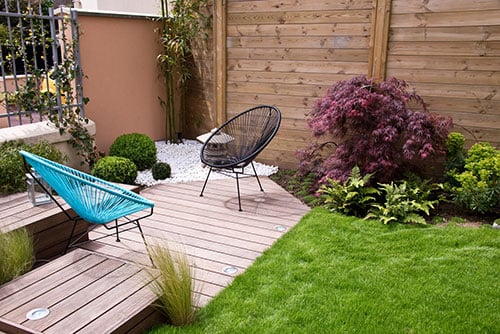
Smart landscaping can do more than boost your curb appeal—it can reduce your energy bills, extend the life of your HVAC system, and make your home noticeably more comfortable in hot weather.
With the right energy-efficient landscaping strategies, your yard can become a natural climate control system. Here’s how to use landscaping to keep your house cooler while maximizing shade, airflow, and insulation.
Understand How Sunlight Hits Your Home
Before you start planting, observe how the sun travels across your property throughout the day and across seasons. This will help you decide:
- Where to add taller trees for rooftop shade
- Where afternoon sun creates the most heat gain
- How your home's shadow patterns shift in summer vs. winter
This knowledge is essential for choosing plant locations and maximizing natural shading and insulation.
Outdoor Landscaping for Energy Efficiency
Your outdoor landscaping can actually help you control your temperatures indoors all year long. Here are a few of the best tips to follow:
1. Use deciduous trees for seasonal energy efficiency
In hot summers and cold winters, planting deciduous trees—trees that lose their leaves every year—is one of the best energy-efficient landscaping decisions you can make.
So, what makes deciduous trees so impactful? During the summer months, their leafy canopies block direct sunlight and reduce radiant heat on your home. And during the winter, more sunlight reaches your home after the leaves fall—naturally warming your interior spaces.
2. Be intentional with your plant placement
Landing for energy efficiency starts with where you plant your trees and shrubs. Two general rules to follow in the US, according to Energy.gov:
- Place tall trees to the south of your home. This will help block overhead sun and reduce rooftop heat absorption.
- Keep lower trees and shrubs to the west. These will shield windows from intense afternoon sun at a lower angle.
3. Get fast shade with vertical vines
If you don’t want to wait years for trees to mature, vertical vines are a quicker way to improve window and wall insulation.
Two of the most commonly recommended vines:
- Carolina Jessamine: A native perennial that can reduce surface temperature fluctuations by up to 50%, according to MiracleGro.
- Virginia Creeper: A deciduous climber with beautiful fall colors that also supports seasonal energy efficiency.
Vines can be grown on trellises or pergolas to shade patios, walls, or even windows.
Energy-Efficient Indoor Plants
Your indoor landscaping can also help regulate your home’s temperature and improve air quality.
In fact, many houseplants provide three major benefits. They:
- Add moisture to the air, cooling it slightly
- Reduce the need for artificial cooling
- Purify indoor air if windows stay closed during heat waves
With that in mind, try these common cooling houseplants for purified air, additional moisture, and a little more shade:
- Areca Palm - Acts as a natural humidifier, adding moisture to the air and slightly lowering indoor temperatures.
- Snake Plant - Purifies indoor air and thrives in low light, making it a low-maintenance way to improve air quality.
- Rubber Plant - Features large leaves that help shade windows from sunlight and absorb indoor toxins.
- Fiddle Leaf Fig - Provides dense foliage for natural window insulation while enhancing interior humidity levels.
Place these near windows to act as natural insulation.
Landscaping by Region: Plant Suggestions by Climate
To maximize energy efficiency, choose regionally appropriate plants that thrive in your climate. Here are a few examples:
Hot & dry climates
Here are a few plants to try in areas like the US Southwest:
- Mesquite trees - Offer high canopy shade while thriving in low-water environments typical of arid regions.
- Desert Willow - Grows quickly and provides light, dappled shade that cools outdoor spaces without heavy water needs.
- Texas Sage - Serves as a heat-tolerant, low-maintenance shrub that cools the landscape with silvery, reflective leaves.
Humid subtropical
Great plants to use in wet, hot areas like the US Southeast include:
- Crepe Myrtle - Offers colorful summer blooms and filtered shade, perfect for managing humidity-heavy heat.
- Magnolia - Has large, dense leaves that block sun and withstand humid conditions, ideal for deep summer shade.
- Honeysuckle vines - Grow rapidly to create vertical shade, and their flowers support local pollinators.
Cool temperate
For regions like the US Northeast, try these plants:
- Sugar Maple - Provides thick summer shade and brilliant fall color, then sheds leaves to allow winter sunlight.
- Dogwood - Delivers filtered shade and seasonal beauty while supporting biodiversity in cooler climates.
- Climbing Hydrangea - Offers fast-growing vertical cover for walls and fences in temperate regions, cooling structures efficiently.
Quick Takeaways On Landscaping & Energy Efficiency
Remember these four facts:
- Use deciduous trees and vertical vines for natural summer shade and winter warmth.
- Tailor your plant choices to your climate zone for long-term efficiency.
- Incorporate energy-efficient landscaping both outdoors and indoors.
- Strategic shade can lower utility bills and reduce HVAC wear and tear.
Following this guidance will help you boost landscaping for energy efficiency all year long, especially when you’re also looking for ways to boost your lawn care skills.
Ready to Protect the Rest of Your Home?
Landscaping can help cool your house, but breakdowns can still happen. That’s where 2-10 Home Buyers Warranty comes in. Our Home Warranty Service Agreements protect your systems and appliances—so you can stay cool with peace of mind.