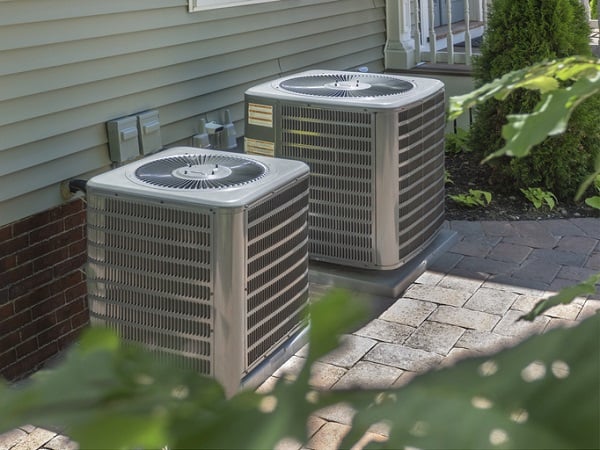
A home warranty often covers air conditioners when they break down due to everyday use. That includes central AC, geothermal systems, and even swamp coolers—depending on your plan. 2-10 Home Buyers Warranty (2-10) AC coverage is part of both our plans.
When the temperature spikes and your AC gives out, a home warranty can help you stay cool and protect your budget.
Key takeaways:
- Many home warranties cover AC breakdowns caused by routine wear and tear, including the 2-10 home warranty.
- A home warranty helps fix breakdowns first, which could help you save money.
- If repairs don’t work, you may be eligible for AC replacement.
- From central systems to built-in wall units, 2-10 covers a variety of AC types to suit different homes and setups.
Want to see everything that’s covered? Explore 2-10 home warranty AC coverage.
What is a Home Warranty and What Does it Cover?
A home warranty is an annual protection plan for major home systems and appliances. Think of it as a protective buffer that helps cover the costs to repair or replace a covered item if it breaks down due to normal wear and tear. A home warranty typically covers:
- HVAC systems, including air conditioning units
- Plumbing, electrical systems, and water heaters
- Major appliances, like your fridge, oven, and dishwasher
Does a home warranty cover air conditioner replacement?
In certain circumstances, yes, a home warranty can replace your air conditioner. But let’s clear up a common misconception: Home warranties don’t immediately jump to full air conditioner replacement. The goal is to fix the issue first.
If your AC unit breaks down from normal wear and tear—meaning the kind of gradual damage that happens just from everyday use—2-10 arranges for a qualified, independent Pro to come assess and repair it. If a repair doesn't fix the breakdown, then your 2-10 home warranty could help cover the costs of a comparable replacement, up to the specific dollar limits in your Plan Agreement.
What types of air conditioning units does a home warranty cover?
A home warranty from 2-10 covers all of the following types of air conditioners:
- Ducted central electric split and package units
- Geothermal units
- Evaporative coolers (i.e., swamp coolers)
- Wall air conditioners
- Mini-splits
So, whether you have a high-tech HVAC set up or something more traditional, a 2-10 home warranty air conditioning plan can help protect your budget against covered breakdowns.
Does Maintenance Affect AC Coverage?
Regular maintenance helps reduce the chances of your AC breaking down unexpectedly. Your 2-10 home warranty gives you budget protection when covered breakdowns occur despite your best efforts to avoid them.
Here are several things you can do to maintain your air conditioner:
- Change your air filters at least once every three months
- Keep debris away from your air conditioning unit
- Clean your unit after you cut the grass
- Don’t try to fix problems yourself—call an expert
Even when you’re doing all the right things, your air conditioner will eventually break down at some point. A 2-10 home warranty could help you establish a financial safety net when those covered breakdowns inevitably occur.
What Air Conditioning Isn’t Covered by a Home Warranty?
As powerful as a home warranty can be, there will always be some limitations to its coverage. For example, a home warranty will not cover any of the following types of air conditioner:
- All parts and components of geothermal systems located outside or under the covered home’s foundation
- Window or portable air conditioning units
- Water towers and chiller systems
- Chillers and chiller components
For example, say a summer hail storm rolls through and the next day your air conditioner isn’t working. While frustrating, because it wasn’t a breakdown caused by routine use, your home warranty wouldn’t cover that breakdown. This is the kind of situation where your homeowners insurance steps in.
If your air conditioner is still under a manufacturer’s warranty when it breaks down, you’d use the manufacturer’s warranty, not your home warranty.
Home Warranty vs. Manufacturer’s Warranty: What’s the Difference?
A manufacturer’s warranty usually lasts about a year and only applies to a specific, brand-new unit. It’s also non-transferable.
A home warranty, like the one from 2-10, offers broader, longer-term coverage for multiple systems and appliances, including AC units. Plus, it’s transferable between owners.
So, with a manufacturer’s warranty, you’ll likely only get coverage for one item. That can make extending each warranty expensive and time consuming.
With a 2-10 home warranty, you could access coverage for your AC, plus coverage for other important systems and appliances, like your water heater and major kitchen appliances.
Why Purchase a Home Warranty to Cover Your Air Conditioner?
Unexpected breakdowns can be expensive, especially when it’s an AC unit. A 2-10 home warranty helps give you a plan for when expensive, covered breakdowns occur.
In fact, the average cost to replace a broken AC unit is $6,000.* With a 2-10 home warranty, you can potentially lower that cost, find a quality solution, and get back to enjoying homeownership.
That’s where a home warranty from 2-10 comes in—and brings real value. With it, you get:
- Budget protection against unexpected, covered breakdowns to your home’s AC system
- Access to quality, independent Pros
- An easy-to-use Homeowner Portal to request service and manage your plan
- Powerful coverage that could extend beyond your AC unit, such as your water heater, plubing, and more.
2-10 helps homeowners protect more and pay less when covered breakdowns occur. Let us help you protect your budget with a home warranty plan for air conditioning and more.
*Repair/replacement cost is the eightieth percentile as reported in a nationwide survey of homeowners conducted in 2024 by ClearVantage for Frontdoor, Inc.