Some home improvements—like swapping a shower head or painting a room—are well within the average homeowner’s skill set. But others? Not so much. In fact, taking them on without professional help can lead to serious safety risks, code violations, and sky-high repair bills.
While there are certainly DIY home maintenance tips we do recommend following, there are some you should skip. In this guide, we’ll explore the home improvement projects to avoid doing yourself—and explain why leaving them to the pros is usually the smartest, safest move.
7 Home Repairs You Should Never DIY
Here are seven projects you should never tackle and why you should avoid them (even if you have a great DIY toolkit):
1. Electrical Work
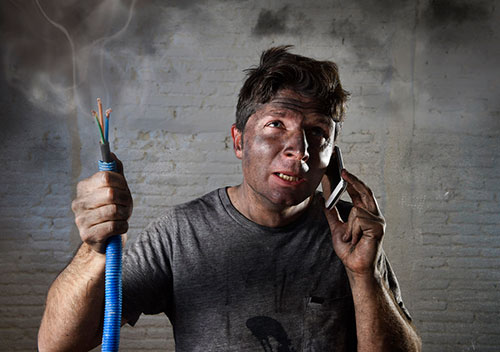
Why You Shouldn’t DIY: Working with electricity can be deadly. Even a minor wiring mistake could lead to electrical fires, power surges, or electrocution. According to the Electrical Safety Foundation International, home electrical fires cause nearly 500 deaths and 1,400 injuries annually in the U.S. That’s not a risk worth taking.
What to Do Instead: Hire a licensed electrician for any project beyond switching out light fixtures or replacing outlet covers. This step is critical: DIY electrical work may void your homeowner’s insurance or violate local building codes.
Related Reading: Electrical System Home Warranty Plan
2. Plumbing Repairs
Why You Shouldn’t DIY: Water damage is one of the most expensive issues homeowners face. A poorly sealed joint or incorrect pipe fitting can result in leaks, mold growth, and structural issues.
What to do instead: Bring in a certified plumber for tasks like replacing pipes, fixing drainage issues, or installing new fixtures. Although the average cost to repair water damage ranges from roughly $1,300 to $6,350, depending on severity, you’ll be happy to have it done professionally instead of causing even more damage.
Related Reading: Plumbing System Home Warranty
3. Major Renovations & Structural Changes
Why You Shouldn’t DIY: Removing a wall might seem simple—until you accidentally tear out a load-bearing wall or violate a local building code. Structural changes without permits can lead to citations, fines, and even unsafe living conditions.
What to Do Instead: Consult an architect, general contractor, or structural engineer before making any big changes.
Related Reading: What Does a Structural Warranty Cover in Your New Home?
4. Window Replacement
Why You Shouldn’t DIY: Poorly installed windows can leak air, water, and money. Improper flashing or insulation can lead to rotted sills, mold growth, and higher utility bills.
What to Do Instead: Use certified window installers to ensure energy efficiency and warranty compliance.
5. Roofing Repairs
Why You Shouldn’t DIY: It’s not just about keeping your balance high above the ground. Roofing involves a complex system of shingles, underlayment, flashing, and ventilation. Incorrect repairs can lead to leaks, water damage, or even voiding your roof’s warranty.
Plus, even professional roofers get injured. In fact, falls are the leading cause of death in construction, according to OSHA.
What to Do Instead: Hire a licensed roofing contractor for any repairs or replacements.
Related Reading: Roof Leak Home Warranty Plan
6. Tree Removal
Why You Shouldn’t DIY: It may seem like a quick chop job, but tree removal involves fall zones, rope work, and chain saw safety. One miscalculation, and you could drop a tree on your house—or your neighbor’s.
What to Do Instead: Bring in a certified arborist or insured tree removal service. These trained professionals can avoid and prevent injuries.
7. Projects Involving Extreme Heights
Why You Shouldn’t DIY: Whether you’re cleaning gutters or painting a second-story wall, working at height increases your risk of injury exponentially. Here’s proof: The World Health Organization reports over 164,000 ladder-related ER visits and 300 ladder-related deaths annually in the U.S.
What to Do Instead: Hire professionals with the proper training, gear, harnesses, and scaffolding to stay safe.
When in Doubt, Don’t DIY (How A Home Warranty Can Help)
Just because a home repair looks simple doesn’t mean it is. If a project involves risk of injury, complex tools, permits, or code compliance, it’s almost always better to call in a pro. Commonly overlooked DIY problems or mistakes can cost more than the initial project.
More importantly, a home warranty is there to protect you whenever you feel uncomfortable tackling a fix yourself. Simply file a claim so an authorized pro can diagnose and repair the covered issue.
Now that you know there are certain home repairs you should never do yourself, it’s time to explore how to protect your home investment. If you’re concerned about unexpected breakdowns or repairs, consider a 2-10 Home Warranty.