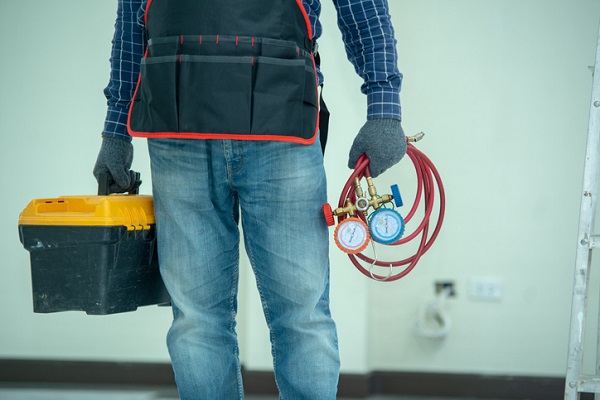
A home warranty can help protect your HVAC system when it breaks down due to normal wear and tear. This includes your heating, ventilation, and air conditioning components -- often one of the most expensive systems in your home to repair or replace.
What does an HVAC system do?
Your home’s HVAC system is what keeps your home warm during the colder months and cool during the summer months. It also helps you regulate your home’s air quality. Without a properly functioning HVAC system, you might find it hard to regulate the temperature of your home. With proper maintenance, you can keep your HVAC system running well for years.
Unfortunately, nearly every homeowner experiences issues with their HVAC system from time to time, even with proper maintenance. In fact, the most common home warranty claims involve HVAC systems. When your HVAC breaks down, a repair or replacement can easily become a major expense.
A home warranty from 2-10 Home Buyers Warranty (2-10) can help offset these expenses.
What is a home warranty and what can it cover?
A home warranty is a service contract that can help reduce the costs to address covered breakdowns to select systems and appliances around your home. No system or appliance lasts forever, even if you maintain it perfectly. It’s often impossible to predict when a system or appliance will break down. And when a home system or appliance breaks down, it can cost you a lot of money to address it.
Warranty coverage can reduce the money you spend addressing routine breakdowns to your systems and appliances. It’s different from an extended warranty in that it can cover more than just one item.
Warranty coverage typically covers the following:
- HVAC systems (heating, cooling, and ventilation)
- Plumbing and electrical systems
- Major kitchen appliances (refrigerator, oven, dishwasher)
- Optional add-ons like roof leak or spa coverage
A 2-10 home warranty could help you reduce the costs of covered breakdowns to your home's HVAC system and more, up to the clearly stated dollar limits in your Home Warranty Plan Agreement.
What does a home warranty plan cover on an HVAC system?
Your HVAC unit is complex, but a 2-10 home warranty covers many of its components. Let’s look at some of the most important (and expensive to repair or replace) components a home warranty often covers. While this list isn’t exhaustive, it can give you a good idea for what’s covered.
Air conditioning units
A 2-10 home warranty can cover many kinds of air conditioning units. Here are some of the common air conditioning systems that a home warranty can cover:
- Centrally ducted systems
- Geothermal systems
- Water-source systems
- Evaporative (swamp) coolers
- Built-in electrical wall units
2-10 also offers refrigerant recharge and recovery for many air conditioning units.
Heating and ventilation
When your heating and ventilation break down, it can create poor air quality or put your life in danger. But warranty coverage from a home warranty company like 2-10 can cover the furnace, systems, and components that make your heating and ventilation run smoothly.
- Centrally ducted gas, electric, oil, and gravity heating systems
- Steam, hydronic, or hot-water heating systems
- Geothermal and water-source systems
- All types of thermostats
When a home warranty may not cover your HVAC system
Though a 2-10 home warranty offers powerful coverage against covered HVAC breakdowns, it isn’t all-inclusive. For example, if your air conditioner were to break down because of a hailstorm, your home warranty wouldn't cover it.
As a responsible homeowner, you must commit to maintenance. Likewise, if your furnace broke down before you had home warranty coverage, your home warranty plan would not apply retroactively.
Home warranties do not cover weather-related damage. If a falling tree or hailstorm damages your AC unit, that falls under your homeowners insurance -- not your home warranty. If your air conditioner were damaged by a falling tree branch during a storm, your home warranty would not cover it.
Instead, you’d need to file a claim with your homeowners insurance provider. A home warranty protects against breakdowns caused by routine wear and tear. Homeowners insurance may protect against weather-related damage.
How to make sure your home warranty covers your HVAC system
There are a couple of ways for you to find out whether your home warranty covers your HVAC system.
- Check your Plan Agreement. One of the many great things about a home warranty from 2-10 is that the Plan Agreement is straightforward. It tells you what’s covered, what isn’t, and what your dollar limits are. When in doubt, check your Plan Agreement out.
- Contact customer support. As a leading warranty company, 2-10’s customer support team can help you determine what’s covered and what isn’t as well.
When to contact your home warranty company for a problem with your HVAC system
In general, you should always review your Plan Agreement when your HVAC system breaks down. Your Service Agreement can tell you whether contacting 2-10 is your best course of action.
Here are a few examples of when you should contact 2-10.
- If your furnace is only blowing cool or cold air
- If your air conditioner doesn’t blow cool air, despite maintenance
- If contact if your thermostat registers an incorrect temperature (e.g., it says 70° but you can see your breath)
Here’s when you shouldn’t contact 2-10.
- If your furnace won’t work because the furnace switch is in the off position
- If your air conditioner stops working because it’s clogged with grass clippings
- If your thermostat’s batteries are low or dead
Again, if your HVAC system breaks down because of something weather related, call your insurance company. They may be able to help you.
How to maintain your HVAC system
Always remember to commit to regular HVAC maintenance. This includes changing your filters and keeping your air conditioning unit free of debris, or calling an HVAC technician for yearly maintenance if necessary.
This doesn’t mean you need to become an HVAC expert, though. In addition to the tips that Service Contractors recommend, here are a few steps you can take to maintain your HVAC system. Just remember—when in doubt, call a professional! HVAC systems are complex and sometimes dangerous.
Clean your HVAC system as much as you can
Depending on how accessible your system’s parts are, you should try to clean the condenser coils and ductwork regularly so dirt and grime don’t build up. Dirty ductwork or condenser coils can cause your HVAC system to run inefficiently and eventually break down.
Replace your filters as often as necessary
The rule of thumb is to replace your HVAC’s filters at least once every three months. However, depending on the filters you use and other factors, such as pets, you may need to change your filters more frequently. Consider checking your filters once a month, and don’t be afraid to swap them out if they look dirty. Clean air filters mean better, cleaner airflow. Additionally, replacing your filters is a clear indicator that you are properly maintaining your HVAC.
Listen to your HVAC system
Regular use will tell you how your HVAC system should normally sound. If your HVAC system starts to make weird noises, such as grinding, rattling, or ticking, then it could be a sign that a component is not working properly.